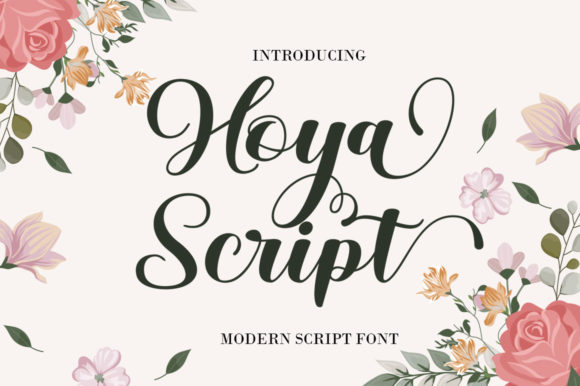
Hoya Script: The Handwritten Font for Modern Designers
There's a certain magic in a well-crafted script font. It can convey warmth, personality, and a human touch that rigid, geometric typefaces sometimes miss. Hoya Script is one of those enchanting designs, a versatile handwritten font that feels both personal and polished. It strikes a delicate balance—elegant enough for a wedding invitation, yet bold enough for a striking headline. This isn't just another decorative face; it's a practical tool for designers and creators who want to infuse their work with authentic character.
Understanding the Hoya Script Aesthetic
At its core, Hoya Script is a modern typography solution that mimics natural, fluid handwriting. Its letters connect with a gentle, flowing rhythm, creating a sense of cohesion and movement across a line of text. The strokes have a pleasant, organic variation—thicker downstrokes and thinner upstrokes—that give it depth and prevent it from looking flat or digital. This isn't a casual, scratchy scrawl; it's a refined script font with clear legibility, even at smaller sizes. The overall personality is approachable, creative, and slightly sophisticated, making it a fantastic display font for projects that need to stand out.
Where This Handwritten Font Truly Shines
The true value of a creative font like Hoya Script lies in its application. Its versatility is its greatest strength. Think about the projects where a personal touch is non-negotiable. For greeting cards, it adds heartfelt sincerity. In editorial design, it can bring life to pull quotes or chapter headings, drawing the reader's eye. As part of a brand identity, it can be the cornerstone of a logo for a boutique bakery, a lifestyle blog, or a craft business, instantly communicating a handmade, artisanal quality.
Beyond print, Hoya Script is equally effective in the digital realm. It's a powerful asset for social media graphics, where scroll-stopping visuals are key. Use it for Instagram quotes, YouTube thumbnails, or Facebook ad headlines to create an immediate emotional connection. For web design, it can be used sparingly for key headings or call-to-action buttons to guide visitors with a friendly, encouraging nudge. Its utility extends to packaging design, product labels, and even custom merchandise, proving its worth as a genuine commercial font.
Practical Guidance for Using Hoya Script
Integrating any new premium font into your workflow requires a bit of strategy. First, always evaluate the project fit. Hoya Script excels where personality and warmth are desired. It might not be the best choice for lengthy body copy in a technical report, but it's perfect for a restaurant menu, a podcast intro, or an author's website banner.
Next, consider your font pairing. A strong script like Hoya needs a stable partner. Pair it with a clean, neutral sans serif font for body text to ensure readability and create a clear visual hierarchy. Alternatively, it can work beautifully alongside a classic serif font for a more traditional, elegant feel. The key is contrast—let Hoya Script be the star for headlines or accents, while its supporting typeface handles the heavy lifting of paragraphs.
Before you commit, take time to explore all the font has to offer. Hoya Script is PUA encoded, which is a significant advantage. This means every glyph, swash, and stylistic alternate is easily accessible, even in basic design software. You don't need advanced applications to unlock its full potential. Play with different initial and terminal swashes to customize names, logos, or headings. Test it in all caps and lowercase to see how its character changes. Always check the commercial license to ensure it covers your intended use, whether for a client project, a product for sale, or personal work.
Finally, readability is paramount. While Hoya Script is designed for clarity, context matters. Use it at a size where its elegant details are visible but not overwhelming. Avoid placing it over busy, high-contrast backgrounds. When used thoughtfully, this handwritten font does more than just look good—it enhances brand perception, fosters audience engagement, and becomes a recognizable part of your creative toolkit. It's more than a design asset; it's a way to make your projects feel genuinely human.