Cynthia Script: A Modern Romance for Your Creative Projects
There’s a certain kind of magic in a font that feels both personal and polished. You know the one—it has the warmth of a handwritten note but carries the confidence of a professional designer’s toolkit. That’s the space Cynthia Script occupies so beautifully. It’s not just another script typeface; it’s a tool for adding a layer of authentic charm and romantic flair to your work, whether you’re designing a wedding invitation or building a boutique brand from the ground up.
More Than Just Curves: The Personality of Cynthia Script
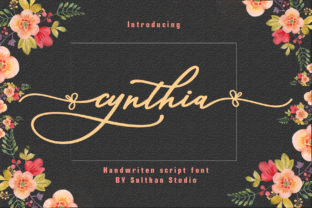
At its core, Cynthia Script is a modern calligraphic font. Its defining feature is a flowing, connected letterform that mimics the natural rhythm of a skilled hand using a pointed pen. But what sets it apart from a sea of other script fonts is its balance. The strokes have a lovely, medium weight—not too thin and spindly, not too bold and overwhelming. This gives it excellent presence without sacrificing elegance.
The letter connections are smooth and intentional, creating a seamless, connected word that’s easy on the eyes. You’ll notice subtle, organic variations in the baseline and x-height, which is key to its authentic, handmade feel. This isn’t a sterile, perfect script; it has personality. The gentle flourishes on ascenders and descenders (think the tails on a ‘y’ or ‘g’) are tasteful rather than excessive, adding just enough decorative flair to feel special without becoming illegible. It’s a typeface that whispers sophistication and intimacy.
Where Cynthia Script Truly Shines: Practical Applications
Understanding a font’s personality is one thing; knowing where to deploy it is where strategy meets art. Cynthia Script’s romantic and charming nature makes it a versatile player across numerous projects, but it excels in specific contexts.
- Branding & Logo Design: For businesses that want to convey approachability, craftsmanship, and a personal touch, Cynthia Script is a fantastic choice. Think boutique bakeries, floral studios, wedding planners, artisanal coffee roasters, or a photographer’s personal brand. It works beautifully as a primary logotype or as a secondary accent font paired with a clean serif font or a simple sans serif font. This pairing creates a dynamic visual hierarchy, where the script adds personality and the companion font ensures clarity for body text.
- Editorial & Publishing Design: In the world of magazines, book covers, and blog graphics, Cynthia Script can be a powerful tool for editorial design. Use it for feature article titles, pull quotes, or chapter headings to instantly set a romantic, inspirational, or luxurious tone. It’s particularly effective in lifestyle, travel, and wedding publications where the aesthetic is paramount.
- Packaging & Product Design: The packaging design for handmade goods, cosmetics, or gourmet foods often relies on fonts that communicate quality and care. Cynthia Script can elevate a label, making a product feel more premium and gift-worthy. Its readability at medium sizes makes it suitable for product names and taglines, though you’d still want a highly legible display font or sans serif font for mandatory regulatory information.
- Digital & Social Media: In the fast-scrolling world of social media, a creative font like Cynthia Script can stop the thumb. It’s perfect for Instagram quotes, Pinterest graphics, Facebook ads, and website hero sections. Using it for key phrases in social media graphics can make your content feel more curated and intentional, boosting audience engagement.
- Personal & Commercial Crafting: This is where Cynthia Script’s “ideal crafting font” reputation comes alive. Its connected style is well-suited for vinyl cutting (with proper kerning), embroidery digitizing, and stationery design. For small business owners selling on Etsy or at craft fairs, it can be the signature style for thank you cards, custom prints, and branding materials, creating a cohesive and recognizable brand identity.
Integrating Cynthia Script: A Designer’s Practical Guide
Choosing a beautiful font is easy. Integrating it effectively into a real-world project requires a bit of strategy. Here’s how to approach Cynthia Script with a professional mindset.
Evaluating Project Fit & Readability
Before you fall in love with its swashes, ask: does this font’s personality align with the project’s message? Cynthia Script is perfect for themes of romance, elegance, craftsmanship, and warmth. It might not be the right fit for a corporate law firm or a tech startup aiming for a cutting-edge, minimalist vibe. Always consider your audience. For a web design project, test it extensively for screen readability. While it’s a premium font with good craftsmanship, long paragraphs of script text on a screen will always be a challenge. Its strength is in headlines, logos, and short, impactful phrases.
Mastering Font Pairing
The key to using Cynthia Script successfully is contrast. Pair it with fonts that complement without competing. A classic approach is to combine it with a sturdy, geometric sans serif font like Montserrat or Lato for body copy. This creates a clean, modern foundation that lets the script’s personality pop. For a more traditional or luxurious feel, pair it with a refined serif font like Playfair Display or Lora. The rule of thumb is to let Cynthia Script be the star—use it for 10-20% of your text, at most, to maintain its impact and ensure overall readability.
Exploring the Font’s Capabilities
Most quality script fonts like Cynthia come with OpenType features. Don’t overlook these! They often include alternate characters (stylistic alternates), ligatures (special connected letter pairs), and swashes. These features allow you to customize the text, making it feel even more unique and less generic. In Adobe Illustrator or Photoshop, you can access these through the Glyphs panel to create truly custom headlines or logos.
Licensing and Commercial Use
This is a critical, non-negotiable step. Cynthia Script is a commercial font. Always ensure you are purchasing the correct license for your use case. A desktop license is typically for print and static images. If you plan to use it on a website, you’ll need a webfont license. For apps or digital products, an app license may be required. Reputable foundries and marketplaces make this clear. Using a font without the proper license is not only unethical but can lead to legal issues for you or your client, undermining the very professionalism you’re trying to build.
In the end, Cynthia Script is more than just a collection of vector paths. It’s a design asset that, when used thoughtfully, can inject soul into a project. It bridges the gap between the impersonal nature of digital text and the intimate feeling of a handwritten letter. By understanding its strengths and applying it with strategic care, you can leverage its charm to create work that feels both beautiful and genuinely connected to its audience.